- Free Consultation: (925) 266-3449 Tap Here To Call Us

What Makes a Will Invalid?


Creating a will is one of the most important steps you can take to protect your loved ones and ensure your wishes are honored after you’re gone. But not all wills are legally valid. Understanding what can invalidate a will in California can help you avoid costly mistakes and family disputes.
Basic Requirements for a Valid Will
In California, a valid will must meet certain legal requirements. The person creating the will (called the “testator”) must be at least 18 years old and of sound mind. The will must be in writing, signed by the testator, and witnessed by at least two people who also sign the document. If any of these core requirements are missing, the will may be invalid.
Lack of Testamentary Capacity
One of the most common reasons a will is challenged is that the testator lacked the mental capacity to understand what they were doing. To have testamentary capacity, you must understand the nature of making a will, know what property you own, and recognize who your natural heirs are (such as your spouse and children).
Conditions like dementia, Alzheimer’s disease, or severe mental illness can affect capacity. However, having one of these conditions doesn’t automatically mean a will is invalid—what matters is whether the person understood what they were doing at the specific moment they signed the will.
Undue Influence
A will can be invalidated if someone pressured or manipulated the testator into changing their wishes. This is called “undue influence.” It often happens when a caregiver, family member, or close friend uses their relationship and power to benefit themselves in the will.
Courts look for signs like isolation of the testator, sudden changes to the will that favor one person dramatically, or active involvement by the beneficiary in preparing the will. If undue influence is proven, the court may throw out the entire will or just the provisions that resulted from the improper pressure.
Fraud and Forgery
A will obtained through fraud or forgery is invalid. Fraud occurs when someone tricks the testator—for example, by lying about what a document says or substituting pages in a will. Forgery happens when someone fakes the testator’s signature or creates a fake will entirely. In fact, I once attended a talk by a forensic document examiner who spent her days busting fake wills and trusts. One takeaway: fraudsters can be lazy! Sometimes they swap out just a single page, and you can bet it’s the one about who gets the money.
These situations are rare but serious. If fraud or forgery is suspected, the court will investigate and may invalidate the will.
Improper Execution
California has strict rules about how a will must be signed and witnessed. If these formalities aren’t followed, the will may be invalid. For example, the testator must sign the will (or direct someone else to sign on their behalf), and two witnesses must be present and also sign. The witnesses should be disinterested parties—meaning they don’t benefit from the will.
There are some exceptions, such as holographic wills (handwritten and signed by the testator without witnesses), which California recognizes if the key provisions and signature are in the testator’s handwriting.
Revocation
Even a properly executed will can become invalid if it’s been revoked. You can revoke a will by creating a new one that explicitly cancels the old will, by physically destroying the old will (such as tearing or burning it), or by getting divorced (which automatically revokes provisions benefiting your ex-spouse in California).
Protecting Your Will
To ensure your will holds up, work with an experienced estate planning attorney, make sure you sign it with proper witnesses, and store it safely. Regularly review and update your will, especially after major life events like marriage, divorce, or the birth of a child.
Understanding these pitfalls can help you create a will that truly reflects your wishes and stands up to legal scrutiny.
CONTACT US!
If you want to speak with an attorney about the validity of your will or the will of a loved one, reach out to Fidelitas Law at (925) 266-3449 or info@fidelitaslaw.com.
Address
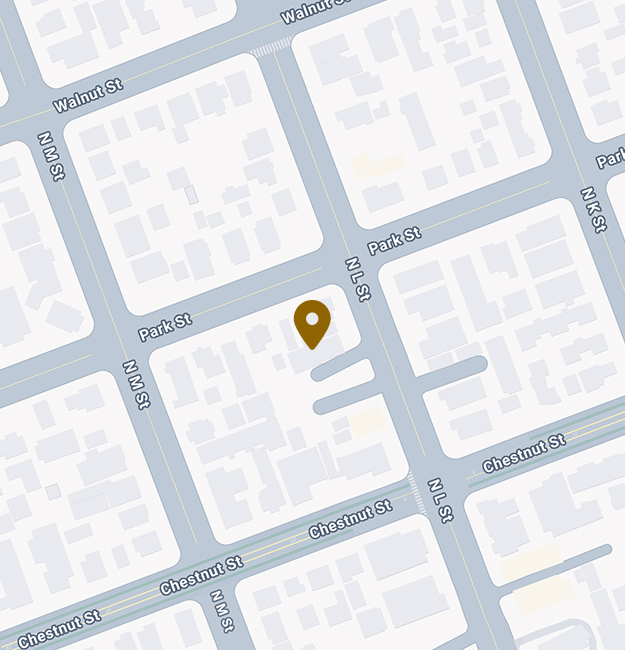
Our office is in downtown Livermore — next door to an antique store and surrounded by historic hills and vineyards. Email us at info@fidelitaslaw.com.