- Free Consultation: (925) 266-3449 Tap Here To Call Us


What Is a Pour-Over Will in California?


If you’ve started looking into estate planning in California, you’ve probably heard the term “pour-over will” tossed around—often in the same breath as “living trust.” But what exactly is a pour-over will, and do you need one?
In this post, we’ll break down what a pour-over will is, how it works with a revocable living trust, and why it might be an important part of your California estate plan.

The Basics: What Is a Pour-Over Will?
A pour-over will is a special type of will that works hand-in-hand with a revocable living trust. Instead of leaving your property directly to individual people, a pour-over will directs that any assets you still own in your name at death be transferred—or “poured over”—into your trust.
Think of it as a safety net. Even if you forget to transfer an asset into your trust during your lifetime, the pour-over will catch it and dump it into the trust after you pass away. Under California law, you can make a gift in your will to the trustee of a trust you’ve created, even if that trust can be changed or revoked during your lifetime. The property given through your will becomes part of the trust and is distributed according to the trust’s terms, including any amendments you made before your death.
How Does a Pour-Over Will Work with a Living Trust?
Most California estate plans that include a revocable living trust also include a pour-over will. Here’s why the two go together:
The Living Trust. A revocable living trust is a legal arrangement where you (the “settlor”) transfer your assets into a trust that you control during your lifetime. You can serve as your own trustee, manage the assets as you see fit, and change or revoke the trust at any time. When you pass away, the trust becomes irrevocable, and your chosen successor trustee distributes the assets to your beneficiaries according to your instructions—typically without going through probate court.
To create a valid trust in California, you need a few essential elements: someone competent to create the trust, an intention to create the trust, property to put into it, a lawful purpose, and beneficiaries. You can create a trust by declaring that you hold property as trustee, or by transferring property to someone else to serve as trustee.
The key to making a living trust work is funding it—actually transferring ownership of your assets (real estate, bank accounts, investments, etc.) into the trust’s name. For real property, this usually means executing and recording a deed. For bank accounts, it means changing the account registration.
The Pour-Over Will Steps In
Despite your best efforts, you might not transfer every single asset into your trust. Maybe you forgot about an old bank account, received an inheritance shortly before your death, or purchased new property and didn’t get around to retitling it. That’s where the pour-over will comes in.
When you die, the pour-over will directs your executor to transfer any assets still titled in your individual name into your trust. Once in the trust, those assets are distributed according to the trust’s terms—just like everything else you placed in the trust during your lifetime.
California law makes this straightforward: the property left to your trust through your will isn’t held in a separate “testamentary trust” created by the will itself. Instead, it simply becomes part of your existing living trust and is administered according to that trust’s provisions.
What a Pour-Over Will Does—and Doesn’t—Do
What It Does
- Catches leftover assets: Ensures that any property you didn’t transfer to your trust during life ends up there after death.
- Provides consistency: All your assets are ultimately distributed according to one set of instructions—your trust document—rather than being split between a will and a trust with potentially different terms.
- Offers peace of mind: You don’t have to worry that a forgotten asset will be distributed incorrectly or to unintended heirs under California’s intestacy laws (the default rules when someone dies without a will).
- Allows you to nominate guardians: If you have minor children, the pour-over will is the appropriate place to nominate a guardian for them. A trust cannot do that.
What It Doesn’t Do
Here’s the most important thing to understand: a pour-over will does not help you avoid probate for the assets it covers.
Many people create a living trust specifically to avoid the time, expense, and public nature of California probate court proceedings. Assets properly titled in your trust’s name pass directly to your beneficiaries without probate. But assets that pass through your pour-over will do go through probate first, because they were still in your individual name when you died.
So while the pour-over will ensures those assets eventually end up in your trust and are distributed according to your wishes, they still must go through the probate process to get there. Your executor must file the will with the court, notify creditors and heirs, and complete the probate administration before the assets can be transferred to the trust.
California probate can take many months (sometimes over a year) and can be costly, with statutory fees based on the gross value of the probate estate. For estates of meaningful size, these fees can add up quickly.
Bottom line: The pour-over will is a backup plan, not a probate-avoidance tool. The real key to avoiding probate is properly funding your trust during your lifetime.
Important exceptions: In some cases, you may be able to avoid a full probate proceeding even if you didn’t formally transfer an asset into your trust before you died.
- Small Estate Affidavit: If the total value of all assets you leave outside your trust is less than a specific statutory limit (this year this limit is $208,850, but the amount may be different in the year you are reading this article), your trustee may use a small estate affidavit procedure to claim these assets for the trust.
- Heggstad Petition: Provided your attorney creates a Schedule of Assets or Assignment of Assets for your trust, your trustee may be able to avoid a full probate by filing a “Heggstad petition,” which is a much simpler, faster, and cheaper court process than a full probate. The ins and outs of a Heggstad are beyond the scope of this article, but we’ll post a separate article on Heggstads in the future!
Why Proper Trust Funding Matters
Because assets passing through a pour-over will must go through probate (or maybe the small estate affidavit or Heggstad procedures), the goal is to minimize what the will actually has to “catch.” Ideally, your pour-over will would have very little—or nothing—to do, because you’ve already transferred all significant assets into your trust.
This is called “funding” your trust, and it’s one of the most commonly overlooked steps in estate planning. You can have the most perfectly drafted trust document in the world, but if you never actually transfer your assets into it, the trust can’t do its job.
How to Fund Your Trust
- Real estate: Execute and record a deed transferring the property from your individual name (or joint names) to yourself as trustee of your trust. California courts have recognized that a properly drafted trust document with clear language transferring property can itself serve as a transfer document in some situations, but it’s far safer and clearer to execute a separate deed.
- Bank and brokerage accounts: Contact your financial institutions and request that accounts be retitled in the name of the trust or that the trust be named as the beneficiary (for retirement accounts, which have special rules).
- Personal property: You can transfer personal property (vehicles, jewelry, furniture, collectibles) by executing an assignment of personal property or by listing items on a schedule attached to your trust.
- Business interests: Transfer LLC membership interests, partnership interests, or corporate stock according to the requirements of the entity’s operating agreement or bylaws.
It’s smart to review your asset titling every few years and whenever you acquire new property, to make sure everything that should be in the trust actually is.
When Should You Review Your Estate Plan?
Estate planning isn’t a one-and-done task. You should review your living trust, pour-over will, and asset titling:
- Every three to five years, as a routine checkup
- After major life events: marriage, divorce, birth or adoption of a child, death of a beneficiary or trustee, significant changes in wealth
- After acquiring major assets: buying real estate, starting a business, receiving an inheritance
- After moving to or from California: estate planning laws vary by state, and what worked in another state might not be optimal here
- After changes in tax law: federal and California estate tax laws change periodically and can affect your planning
If it’s been a while since you looked at your estate plan, or if you’ve never confirmed that your assets are properly titled in your trust’s name, now is a good time to schedule a review.
Final Thoughts
A pour-over will is a simple but crucial component of a well-designed California estate plan. It works quietly in the background, ensuring that even if you don’t fund your living trust perfectly, your wishes will still be honored.
But remember: the pour-over will is a safety net, not a substitute for proper trust funding. To truly avoid probate and give your loved ones the smoothest possible experience after you’re gone, take the time to transfer your assets into your trust during your lifetime.
Estate planning can feel overwhelming, but breaking it down into manageable steps—creating your trust, signing your pour-over will, and funding your trust—makes it much more approachable. And the peace of mind that comes from knowing your affairs are in order? That’s priceless.
If you would like to speak with an attorney about your estate plan, reach out to Fidelitas Law at info@fidelitaslaw.com or (925) 266-3449.
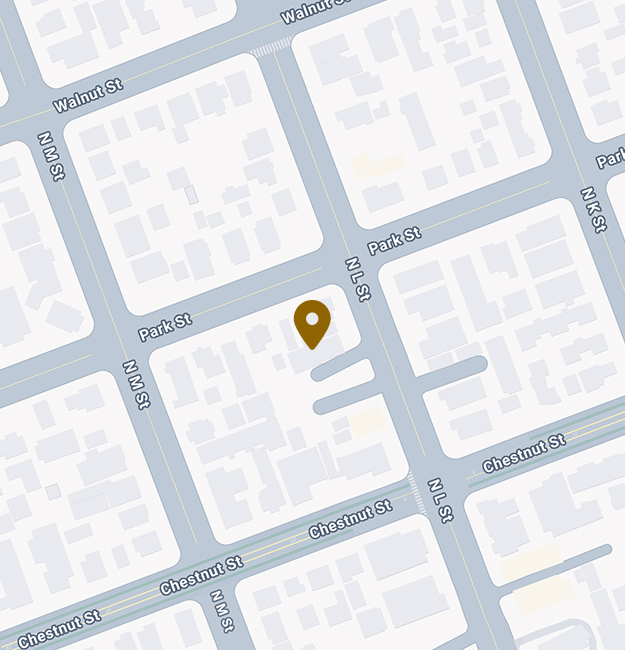
Address
Our office is in downtown Livermore — next door to an antique store and surrounded by historic hills and vineyards. Email us at info@fidelitaslaw.com.