- Free Consultation: (925) 266-3449 Tap Here To Call Us


What Happens When Someone Dies Without Heirs?


When a person dies in California without a valid will, the state’s intestate succession laws determine who receives the property in the person’s probate estate. If no legally qualified relatives can be found, the property ultimately passes to the State of California through escheat.
But dying without heirs is rare. California law looks far beyond children and close relatives before property passes to the state.
Dying Without a Will Is Not the Same as Dying Without Heirs
A person who dies without a valid will dies intestate. Property not effectively disposed of by a will passes under California’s intestate succession laws. (Cal. Prob. Code § 6400.)
“Heirs” are the people legally entitled to inherit under those laws. They may include distant relatives whom the deceased person rarely saw or did not know.
So, a person may die without a will but still have heirs. Escheat becomes possible only when no legally qualified person is entitled to inherit.
Which Property Is Affected?
Intestate succession generally applies only to property in the deceased person’s probate estate that is not controlled by a valid will. (If you have only a will, your estate is still probated, but your property passes to the beneficiaries identified in your will.)
Intestate succession ordinarily does not control assets that pass through:
- A living trust;
- A valid beneficiary designation on a financial account or life insurance policy;
- A transfer-on-death account; or
- A form of ownership providing a right of survivorship (for example, joint tenancy).
California generally recognizes these nonprobate transfers even though they are not made through a will. Therefore, someone may have no intestate heirs but still leave assets to named beneficiaries.
Who Can Inherit?
A surviving spouse or registered domestic partner may inherit some or all of the estate. The exact share depends on the type of property and whether the deceased person left descendants. (Cal. Prob. Code § 6401.)
Other probate property generally passes in this order:
- Children and other descendants;
- Parents;
- Siblings, nieces, nephews, and their descendants;
- Grandparents, aunts, uncles, cousins, and their descendants;
- In certain circumstances, relatives of a spouse who died before the decedent; and
- More remote next of kin.
California’s detailed priority rules appear in Probate Code section 6402. The absence of a spouse, children, parents, or siblings therefore does not necessarily mean there are no heirs.
Do Half-Siblings, Adopted Children, or Stepchildren Count?
California generally treats half-blood relatives like whole-blood relatives. A half-sibling is not excluded merely because the siblings shared only one parent. (Cal. Prob. Code § 6406)
A legally adopted child is generally treated as the child of the adoptive parent. The effect of adoption on inheritance through a biological parent depends on the circumstances. (Cal. Prob. Code §§ 6450–6451)
Stepchildren and foster children ordinarily do not inherit based solely on that relationship. A narrow exception may apply when statutory conditions establish a qualifying parent-child relationship. (Cal. Prob. Code § 6454) The rules are complicated and beyond the scope of this article.
What Happens During Probate?
The probate court appoints a personal representative to identify estate property, pay valid debts and expenses, and determine who is entitled to the remaining assets.
If potential heirs are unknown, the representative may investigate the decedent’s family history using birth, death, marriage, adoption, and divorce records. Property does not pass to the state merely because no close relative immediately appears. Attorneys rely on heir search companies to conduct this investigation. Our goal is to find an heir!
An heir generally must also survive the decedent by at least 120 hours. Otherwise, that person is ordinarily treated as having died first. (Cal. Prob. Code § 6403.)
When Does Property Pass to California?
If no surviving spouse, domestic partner, relative, or other qualifying person can inherit under California law, the intestate property passes (“escheats”) to the State of California. (Cal. Prob. Code § 6404.)
Escheat differs from unclaimed property. If a known heir has a legal right to inherit but cannot be located, ownership has not failed merely because distribution is delayed.
Can Friends or Caregivers Inherit?
A friend, unmarried partner, neighbor, or caregiver does not inherit through intestate succession merely because that person was close to the decedent. Such a person must generally be named in a valid will, trust, beneficiary designation, or other recognized transfer arrangement.
The Bottom Line
California does not automatically take an estate when someone dies without obvious heirs. The law first searches through an extensive family hierarchy.
Only when no legally qualified recipient exists does intestate probate property pass to the state by escheat. A valid will, trust, and properly completed beneficiary designations can help ensure that property goes to the people or organizations the owner chooses.
CONTACT US!
If you want to speak with an attorney about estate planning or probate issues, reach out to Fidelitas Law at (925) 266-3449 or info@fidelitaslaw.com.
Address
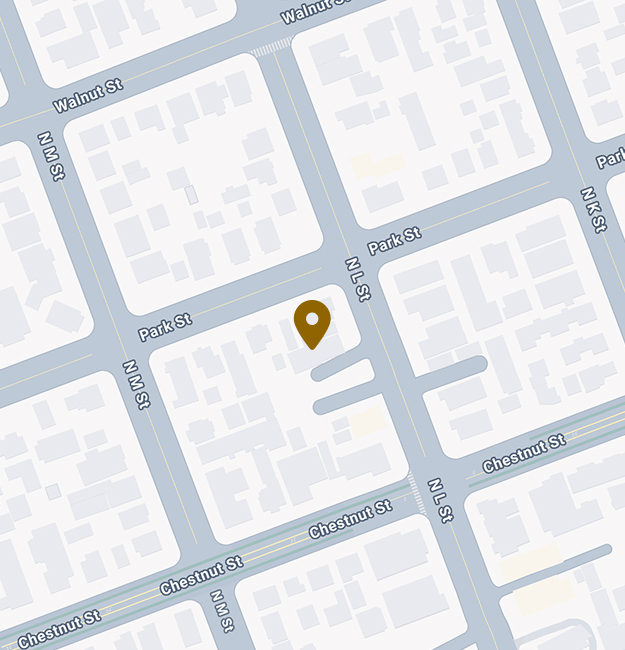
Our office is in downtown Livermore — next door to an antique store and surrounded by historic hills and vineyards. Email us at info@fidelitaslaw.com.