- Free Consultation: (925) 266-3449 Tap Here To Call Us

What Happens to Debt After Someone Dies in California?



When a loved one passes away, families often worry about whether they will be responsible for the deceased person’s debts. The good news is that in most cases, family members do not inherit debt simply because they were related to the deceased. However, understanding how debt is handled after death in California requires familiarity with a few key legal principles governing estates, probate, and community property.
The Basic Rule: Estate Pays the Debts
In California, a deceased person’s debts are paid from the assets of their estate—the property and accounts they owned when they died. If the estate does not have enough money to pay all debts, creditors generally cannot collect from the deceased’s children, siblings, or other relatives solely because of their family relationship.
There are important exceptions to this rule (discussed below), but the fundamental principle is that debt does not automatically pass to surviving family members.
How Debts Are Paid: The Probate Claims Process
When someone dies and their estate goes through probate (the court-supervised process of distributing a deceased person’s assets), creditors must follow specific procedures to get paid. California Probate Code (PC) § 9100.
Creditors Must File Claims on Time
California law requires creditors to file a written claim with the probate court within strict deadlines: four months after the personal representative (executor or administrator) is appointed, or sixty days after the personal representative mails or personally delivers notice to the creditor, whichever is later.
If a creditor misses these deadlines, their claim is usually barred forever—they cannot collect from the estate or from anyone else. This claims procedure protects heirs and beneficiaries by ensuring that debts are resolved promptly and that the estate can be distributed without lingering uncertainty.
Notice to Creditors
The personal representative must give direct notice to all “known or reasonably ascertainable creditors” of the deceased person. PC § 9050. The representative also publishes a general notice in a local newspaper to alert any unknown creditors. PC § 8120.
This notice system starts the clock for filing claims. Once the deadlines pass, creditors who did not file lose their right to collect—even if the debt was valid and unpaid. Wilkison v. Wiederkehr, 101 Cal. App. 4th 822, 833 (2002), Embree v. Embree, 125 Cal. App. 4th 487, 494 (2004).
What Happens to Late or Unfiled Claims
In limited circumstances, a court may allow a creditor to file a late claim—for example, if the personal representative failed to send proper notice, or if the creditor did not know about facts giving rise to the claim until shortly before the deadline. PC § 9103. But once the court makes a final distribution order, no late claims will be accepted.
Paying Claims and Debts
Once claims are filed, the personal representative reviews them and either accepts, rejects, or negotiates a settlement. Valid claims are paid from estate assets in a specific order of priority set by California law. If the estate does not have enough money to pay all debts, some creditors may receive partial payment or nothing at all—but family members are not required to make up the difference from their own funds (unless one of the exceptions below applies).
The purpose of probate administration is to “preserve and protect the estate; to satisfy and discharge all debts and claims, including expenses of administration, that are charges or liens on the property; and to distribute the residue of the property, at a proper time, to those persons who are entitled to receive it.” Estate of Bonanno, 165 Cal. App. 4th 7, 18 (2008).
When Family Members May Be Personally Liable
While the general rule protects family members from inheriting debt, there are significant exceptions:
Co-Signers and Joint Account Holders
If you co-signed a loan or credit card with the deceased person, or if you were a joint account holder (not just an authorized user), you remain fully responsible for that debt. The creditor can pursue you for the full balance, regardless of what happens in probate. This is not “inheriting” the debt—it is your own obligation that existed before the death.
Secured Debts and Property
Secured debts—such as a mortgage on a house or a car loan—are tied to specific property. If you inherit property that has a loan against it, you generally must keep making payments if you want to keep the property. If you stop paying, the lender can foreclose on the house or repossess the car, even if the estate went through probate and the creditor did not file a claim.
Secured creditors have rights in the collateral itself, not just a claim against the estate.
Community Property and Surviving Spouses: California’s Special Rules
California is a community property state, which means special rules apply to married couples and registered domestic partners.
What Is Community Property?
In California, most property and income acquired during marriage is “community property”—it belongs equally to both spouses. Each spouse also has an equal obligation for debts incurred during the marriage for family expenses or other community purposes.
When one spouse dies, community debts—debts incurred during the marriage for the benefit of the community—can generally be paid from both:
- The deceased spouse’s half of the community property, and
- The surviving spouse’s half of the community property.
This means a surviving spouse may be personally liable for community debts, even if they did not sign the loan or credit card agreement.
Debts incurred before marriage or after separation are usually separate debts of the spouse who incurred them. In a probate, a surviving spouse is generally not personally liable for the deceased spouse’s separate debts (debts incurred before marriage or for the deceased spouse’s separate benefit). However, those debts do not simply disappear—they are generally paid from the deceased spouse’s share of community property and from his or her separate property.
Non-probate Assets and Debt
Not all assets go through probate. Some assets pass directly to named beneficiaries or joint owners without court supervision. Common examples include:
- Life insurance proceeds paid to a named beneficiary
- Retirement accounts (401(k), IRA) with a designated beneficiary
- Payable-on-death (POD) bank accounts
- Living trust assets
- Jointly owned property with right of survivorship
For beneficiaries who receive non-probate assets, the general rule is that creditors can pursue the beneficiaries to satisfy debts, but only up to the value of the property they received.
Practical Guidance for Families
If a loved one has passed away and you are concerned about debts, consider these steps:
1. Do not pay debts from your own funds unless you are legally obligated. Just because a creditor calls you does not mean you owe the debt personally. Creditors sometimes contact family members hoping they will voluntarily pay, even when there is no legal obligation.
2. Determine whether probate is necessary. If the estate is small or consists only of non-probate assets, formal probate may not be required. California offers simplified procedures for small estates.
3. If you are the personal representative or trustee, follow the claims procedures carefully. Providing proper notice to creditors and adhering to deadlines protects the estate and the beneficiaries.
4. Identify which debts are secured, co-signed, joint, or community debts. These may create personal liability even if other debts do not.
5. Consult an attorney if the estate is complex, if you are a surviving spouse facing community debt issues, or if creditors are making demands. California’s probate and community property laws are detailed, and professional guidance can help you understand your rights and obligations.
Conclusion
In California, a deceased person’s debts are generally paid from their estate, and family members do not inherit personal liability simply because of their relationship to the deceased. The probate claims process, with its strict deadlines and notice requirements, protects both creditors’ rights and heirs’ interests.
However, important exceptions exist: co-signers and joint account holders remain liable; secured debts follow the collateral; surviving spouses may be liable for community debts; and recipients of non-probate assets may have limited liability if the estate cannot pay all claims.
Understanding these rules can help families navigate a difficult time with greater confidence and clarity.
CONTACT US!
If you want to speak with an attorney about a decedent’s debts, reach out to Fidelitas Law at (925) 266-3449 or info@fidelitaslaw.com.
Address
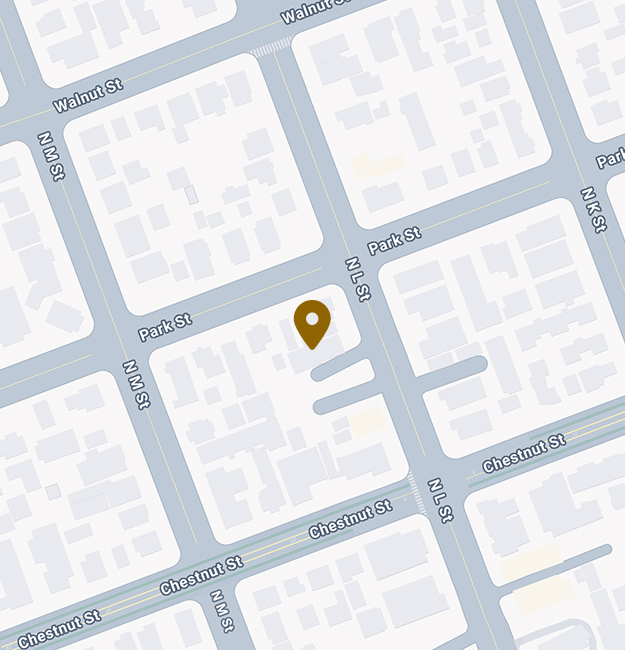
Our office is in downtown Livermore — next door to an antique store and surrounded by historic hills and vineyards. Email us at info@fidelitaslaw.com.