- Free Consultation: (925) 266-3449 Tap Here To Call Us

The Biggest Estate Planning Mistakes Families Make in California



Estate planning is one of the most important steps you can take to protect your family and ensure your wishes are honored after your passing. Yet, many Californians make critical mistakes that can lead to unnecessary stress, financial loss, and even family disputes. Below, we’ll explore the most common estate planning mistakes, their consequences, and how you can avoid them.
1. Failing to Create an Estate Plan
The most damaging mistake is not creating an estate plan at all. If you die without a will or trust in California, your estate will be distributed according to the state’s intestacy laws. This means the court decides who inherits your assets, which may not align with your wishes. For example, if you are married with children, your “separate property” will be divided between your spouse and children in proportions dictated by law, not by your intentions. Additionally, dying intestate often leads to probate—a lengthy, public, and expensive court process.
How to Avoid It: Start your estate planning today. Even a simple will can provide clarity and direction for your loved ones.
2. Relying Solely on a Will
Many people mistakenly believe that a will is sufficient to avoid probate. In California, a will does not bypass probate; it merely informs the court of your wishes. Probate can be time-consuming, costly, and public, exposing your family’s financial matters to scrutiny.
How to Avoid It: Consider creating a revocable living trust. A properly funded trust allows your assets to pass directly to your beneficiaries without going through probate, saving time and money. Trust administration is also private.
“In California, a will does not bypass probate; it merely informs the court of your wishes.”
3. Not Updating Your Estate Plan
Life changes (marriages, divorces, births, deaths, and financial shifts) can render your estate plan outdated. For instance, failing to update beneficiary designations on retirement accounts or life insurance policies can result in assets going to someone you no longer intend to benefit.
How to Avoid It: Review your estate plan every three to five years or after major life events to ensure it reflects your current wishes and circumstances.
4. Overlooking Non-Probate Assets
Many Californians are surprised to learn that certain assets, like retirement accounts, life insurance policies, and jointly owned property, pass outside of a will or trust. Beneficiary designations on these accounts override the terms of your will or trust, which can lead to unintended consequences.
How to Avoid It: Regularly review and update beneficiary designations to ensure they align with your overall estate plan.
5. Choosing the Wrong Fiduciaries
Appointing unqualified or unreliable individuals as executors, trustees, or agents under a power of attorney can lead to mismanagement of your estate. For example, a trustee without financial literacy or impartiality may mishandle assets, causing financial harm to your beneficiaries. Sometimes the nicest family member is not the most competent at financial management, and sometimes the most financially savvy family member is not the most loyal to beneficiaries.
How to Avoid It: Choose fiduciaries who are trustworthy, competent, and capable of handling the responsibilities. Consider consulting an attorney to help you evaluate potential candidates.
6. Failing to Properly Fund a Trust
Creating a trust is only the beginning. If you fail to transfer ownership of your assets into the trust, those assets may still go through probate, defeating the purpose of the trust.
How to Avoid It: Work with an attorney to ensure all appropriate assets are titled in the name of your trust.
7. Ignoring Tax Implications
California families with significant assets often overlook the tax consequences of their estate plans. For example, failing to plan for federal estate taxes or property tax reassessments can result in substantial financial burdens for your heirs. New rules regarding parent-to-child property transfers must be considered.
How to Avoid It: Consult an estate planning attorney or tax professional to develop strategies that minimize tax liabilities.
8. Using DIY Estate Planning Tools
While online templates and DIY kits may seem convenient, they often fail to address California’s specific legal requirements. Mistakes in execution, such as improper witnessing of a will, can render the document invalid. In our practice, we have seen DIY trusts in which the terms conflict, making the trust difficult to interpret.
How to Avoid It: Work with an experienced estate planning attorney who understands California law to ensure your documents are legally sound.
Real Consequences of Estate Planning Mistakes
The consequences of these mistakes can be severe. Families may face prolonged probate proceedings, unnecessary taxes, or even legal disputes. For example, failing to properly advise a testator about joint tenancy property can result in unintended disinheritance. Similarly, neglecting to account for omitted children can lead to litigation.
Take Action Today
Estate planning is not a one-time task—it’s an ongoing process that requires careful thought and regular updates. By avoiding these common mistakes, you can protect your family, preserve your assets, and ensure your wishes are honored. If you want to talk to an attorney about these issues, reach out to Fidelitas Law at (925) 266-3449 or info@fidelitaslaw.com.
Address
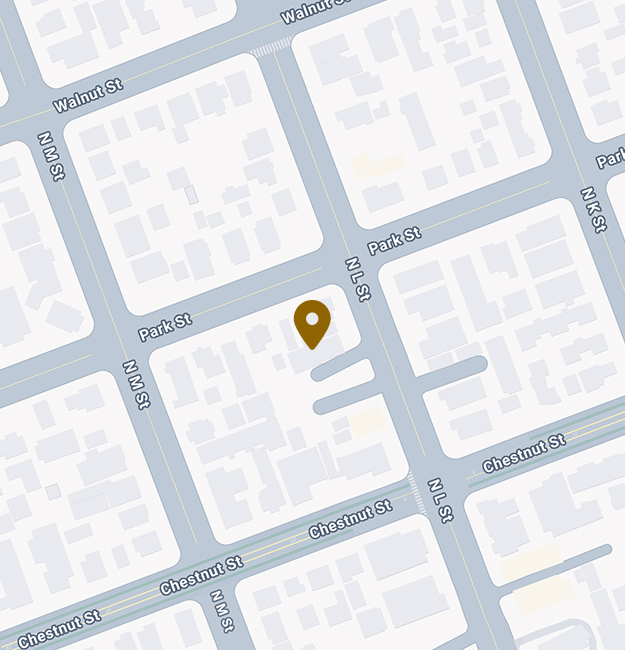
Our office is in downtown Livermore — next door to an antique store and surrounded by historic hills and vineyards. Email us at info@fidelitaslaw.com.